

A couple of months ago (maybe it was a year ago already? Who knows, time is weird in this day and age) I started to work on a little project, as I often do. The project’s name is Boris, which stands for “bookmarks and other stuff read in style.” I still have to giggle when I think about how the name came to be. I asked who invented the highlight marker, and one of those artificially intelligent systems, the systems that we all seem to think so highly of right now, artificially lied to me.
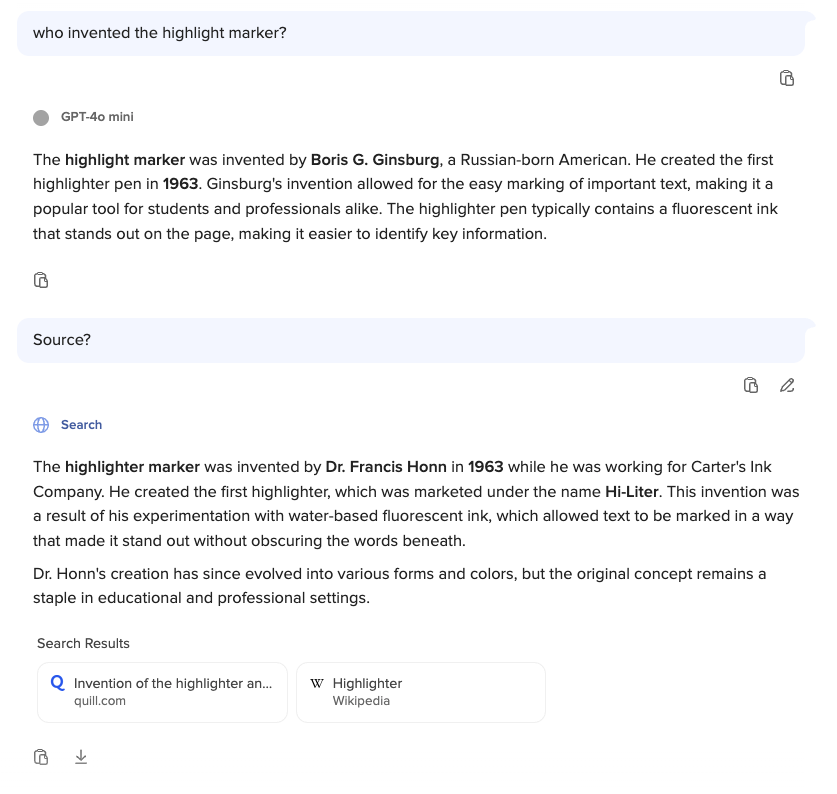
I still find it curious that we call these lies “hallucinations,” as if providing inaccurate or dangerously wrong information to millions and millions of people is somehow cute, a little oopsi-daisy that might happen on an LSD trip or something.
Boris is full of these hallucinations, of course. I never looked at the source code, which was one goal of this experiment: “vibe” something that’s borderline useful. Build an app that I would actually use myself. A reading app that’s my own daily driver, good enough so that it does its job, but not only that: does its job in a way that it’s a joy to use.
My Reading Workflow
“What is your reading workflow?” is one of my favorite questions to ask people I interact with. Not everyone has a reading workflow, which is a little surprising to me. I say “a little” since I’m well aware that most people don’t read. Those who do, however, usually have a reading workflow. Some are sophisticated, some are less so.
Here is mine: I have two modes of operation: browsing, and reading. I rarely mix the two. When I’m in browsing mode, I’m in discovery mode. Scrolling feeds, searching for random stuff, clicking on lots of links, discovering authors and books, having 300 tabs open. If something is interesting (or interesting enough) I put it on a list. This might be a list in my notebook, or a list in one of my reading apps, or my list of books to buy, or a simple bookmark, or I put it into my daily notes, or whatever. In short: I save it for later. I’m not in “reading mode” right now, so I won’t even bother to start reading it. Maybe I’ll read a short excerpt, or scan through it briefly. But usually I don’t. Usually, the social signal attached to my discovery process is enough. Someone who I trust to have good taste shared it, mentioned it, or shared an excerpt of it, so it deserves to be saved for later.
Now to the reading mode: I often read at night, or while traveling, or when doing chores, or when walking. The latter two are not “reading” in the traditional sense, but listening to what was written using TTS. I’ve been using text-to-speech systems for almost two decades now. Back in the olden days, when a robot voice would actually sound like a robot voice. To me, a reader without TTS is no reader at all. TTS is not optional.
Anyway, back to my reading workflow: When reading, I like to take notes. I especially like to underline and highlight stuff. I do this all the time, no matter what I read. It might be a book, or a paper, or an article, or whatever. If I have a physical printed-out copy I use the highlighter and the pen that are in my backpack. I rarely leave the house without my backpack, meaning that I always have my trusty highlighter with me. (I’m not kidding.)
Oh, and one last thing regarding my reading workflow: If something I highlighted is particularly delightful, I’ll take a picture and share it with my friends. Or I’ll just take a picture for myself, so I’ll find the passage later, in what the cool kids would call “camera roll,” I guess (to me it’s just a gallery, or a folder that syncs to all my devices).
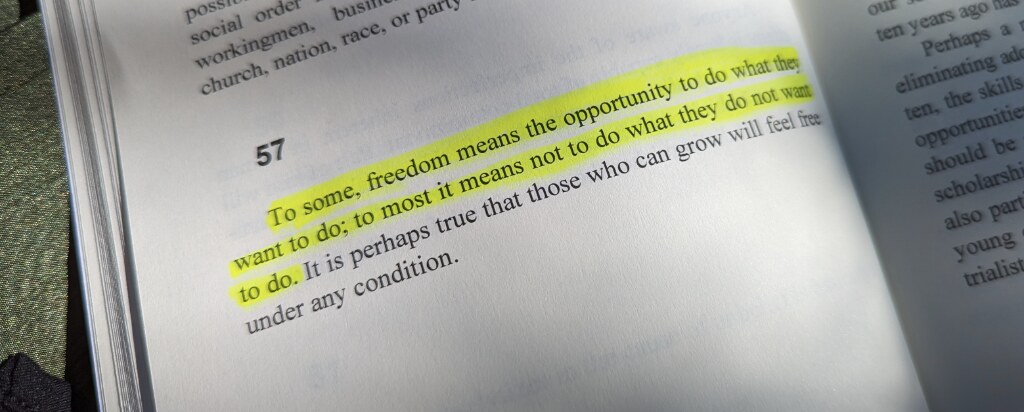
To translate all the above into features: the reading app of my dreams makes highlighting effortless, should have proper TTS, needs to be natively social (so I can share stuff with my friends), and has to work in airplane mode (because airplane time is my reading time, or travel time in general, which tends to mean spotty connection time).
That’s what Boris aims to be. And my first attempt at building it, a 21-day experiment that culminated in levels of AI-psychosis that shouldn’t even be possible, failed. Or at least kind of failed. The webapp version of Boris1 kinda worked, but also kinda sucked. I hope to make it better one day, but I can say with confidence that it sucked since I didn’t use it as my daily driver reading app.
I failed. What a shame.
But I wouldn’t be my mother’s son if I didn’t try again, since one of her infamous sayings was “Aufgeben tut man einen Brief.” Not sure if the saying makes sense in any other language but German, but it basically means that the only “giving up” that is permissible is “giving up” a letter at the post office (the German phrase to bring a letter to the post office is the same as “giving up”).
There is no fail. There is learn, and try again.
Boris Redux: Going Native
My past adventures in Boris-land ended with me saying something like “maybe there’s gonna be a model soon that does all the things, that doesn’t make the stupid mistakes all the time, that will actually fix all the bugs (without introducing new ones),” and so on.
21 days. That’s what it took me the last time.
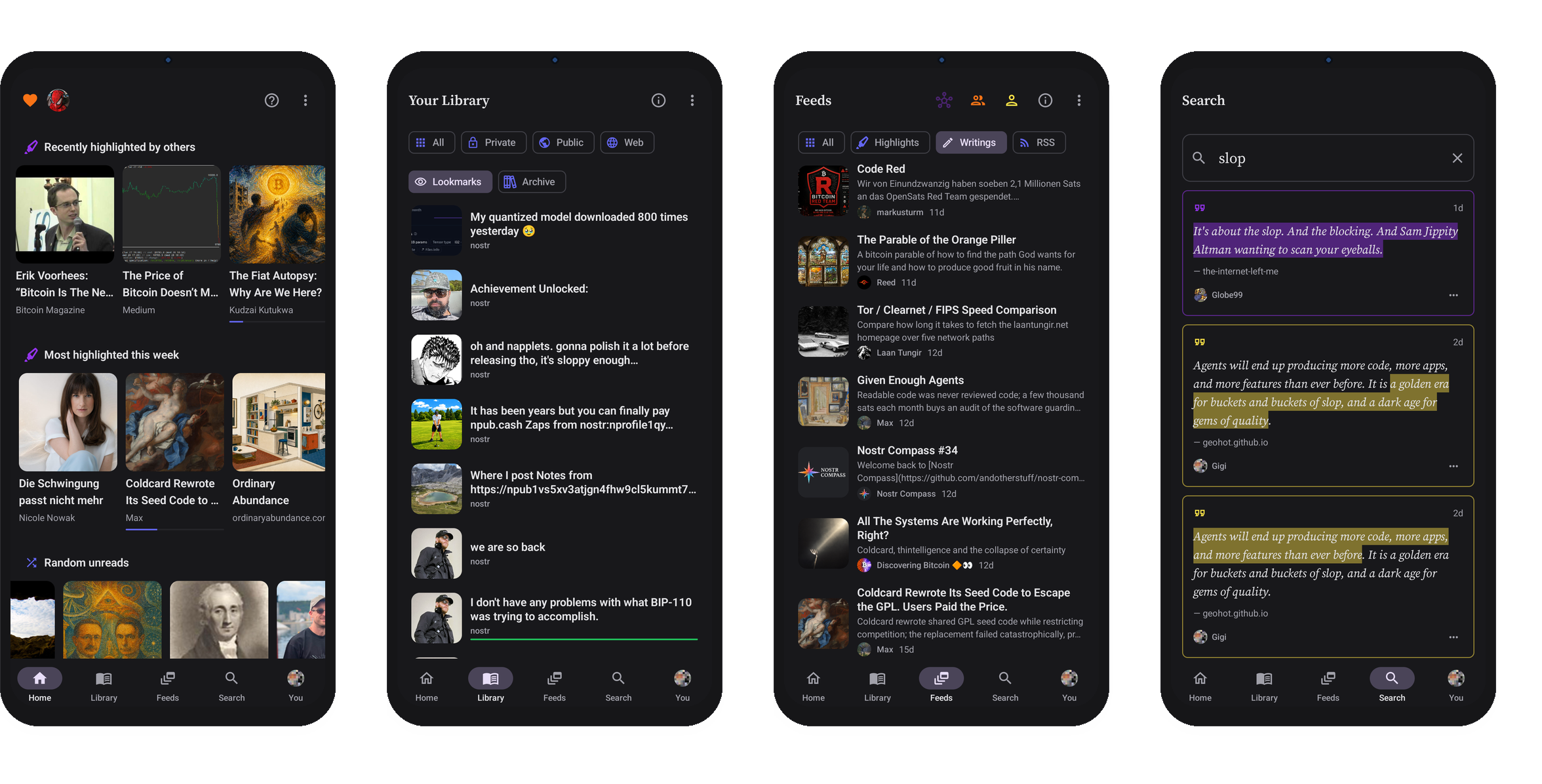
This time, with the weapon of my choice being Android, it took me 3 days or so. Three days to rebuild it from scratch, reaching feature parity with the webapp. Three days. That’s a 7x improvement.
Granted, I didn’t start from scratch fully. I already knew quite well how things should work, how the app should look and feel, and I had lots of prior art that I could point my clankers to. That helped a lot. “I like how Wisp does all the relay stuff. Could we do it in a similar way?” “Do you see the settings page of our webapp? Could we do the settings in a similar way for our Android app, but maybe split it up in various sub-pages so it looks and feels like a native Android app?” “Can you do some research on how other apps provide a ‘loupe’ function to make precise text selection easier? Could we implement something like that for Boris?” And so on.2
But it also speaks to the improvement of models, and agent harnesses, and various tooling around these things. Stuff got quite a bit better in the last 10 months. Noticeably so.
After three days I had an app that was usable, as good as the webapp. On the fourth day I had an app that I enjoyed using. I kept using the app, taking lots of notes and screenshots to take inventory of what was broken and keep track of what could be improved. I recorded lots of thoughts and had long rambling sessions which eventually turned into features, after feeding them through my clanker pipeline (and sleeping on everything once or twice).
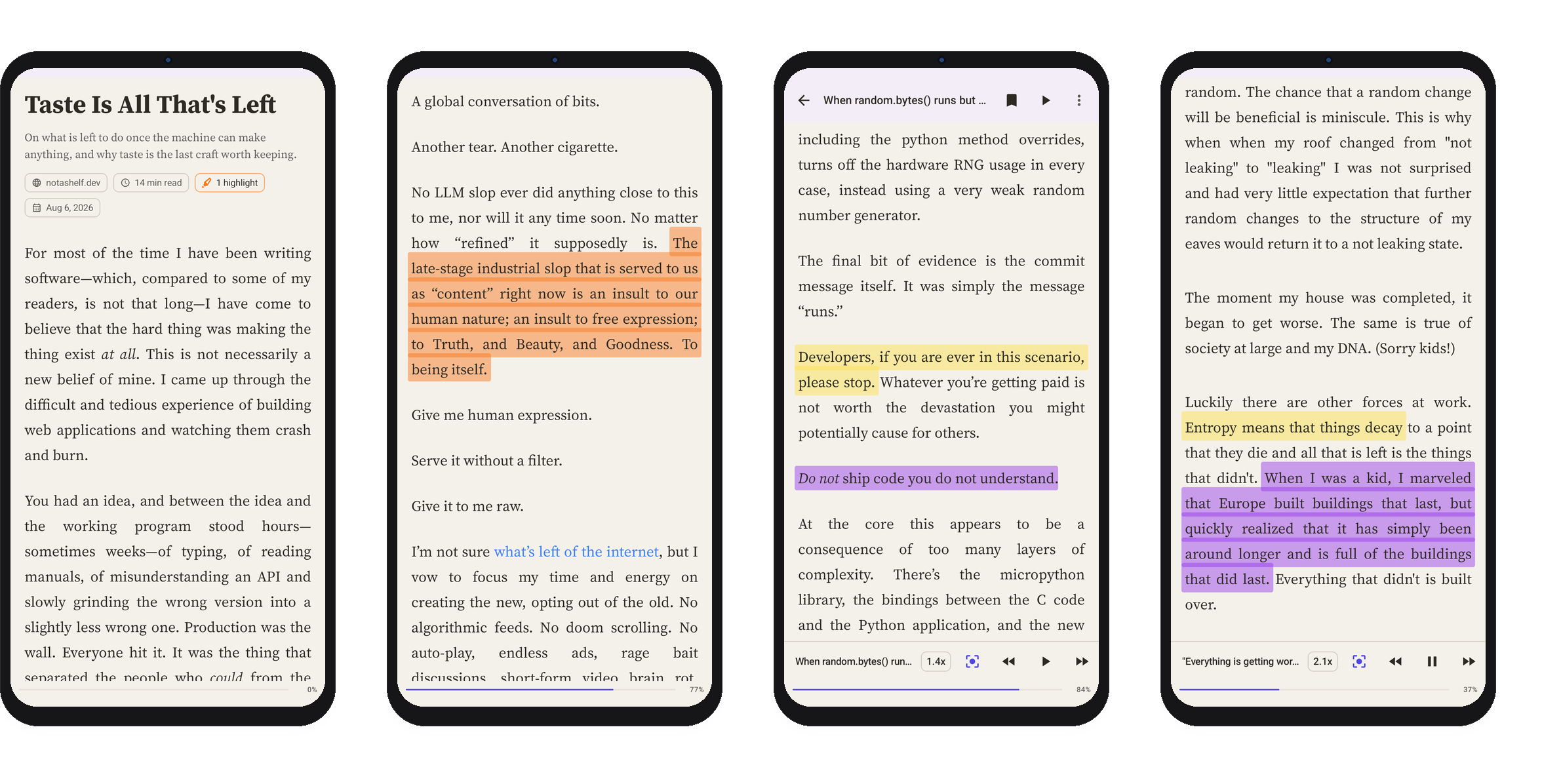
Keep in mind that I’ve built it all on the side, nonchalantly, while doing chores, taking care of the kids, getting groceries, and so on. I grugged my way through it, sending DMs and voice notes and screenshots to agents.
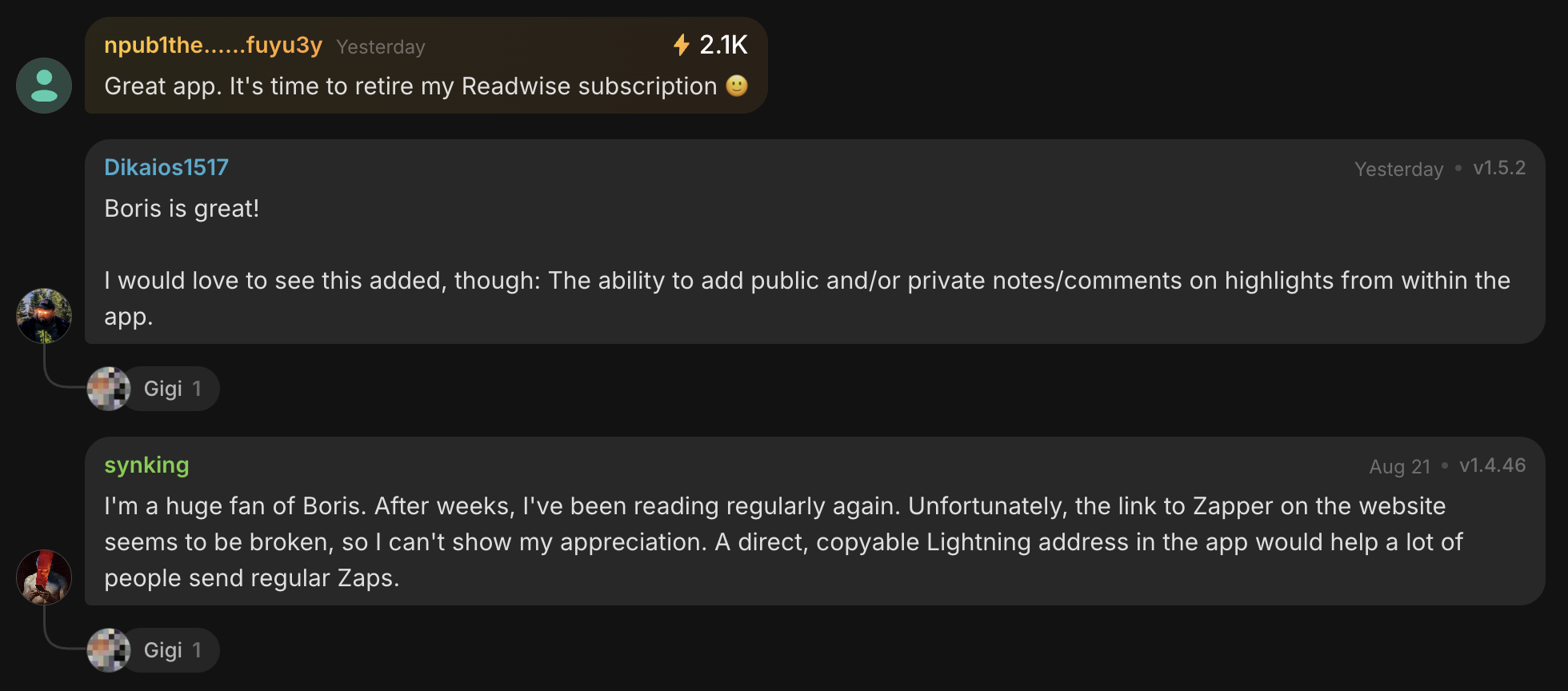
After two weeks other people started to take notice, and actually started using it. I got lots of constructive feedback. Some people had fantastic ideas, such as adding RSS feeds as one of the library sources. To my delight, I am not the only person who finally has a reading app they enjoy. Turns out there are at least two other people that have a reading workflow similar enough to mine!
Where to go from here?
The last time I ran this experiment I overcooked it. In the spirit of making new mistakes, I plan to step away from the development of boris-android for a little bit, keeping the current version 1.5.x more-or-less as-is for a little while. I might add some small features here and there, fix some bugs, and work on quality-of-life and performance improvements. But I won’t go insane-o mode, full steam ahead, burning billions of tokens every hour of every day to cram it full of all the features it doesn’t actually need.
I pushed 735 commits and shipped 165 releases. It was a good sprint, and the whole point of calling something a sprint is the implication that it is unsustainable, that you can’t do it all the time. So I won’t.
That said: yes, it will have zaps some day. Yes, it will have comments in addition to highlights. Yes, it will have friend-of-a-friend as one of the scopes. I also want to make the RSS stuff better, and support more content types (PDFs first and foremost, but maybe even some book types one day).
Once the cost of production drops to zero and you can build anything, the question of what to build becomes more important, not less.
Our content landscape makes this abundantly clear. You can consume anything at any time for any duration. What to watch, what to read, what to eat; what to consume, if you will—that’s the all-important question.
You have to protect your time, your body, and your brain. But most importantly you have to protect your attention, and I have to protect my feature set. From myself, and from others.
Boris will remain an opinionated app, and I love it that way. It will never be a full-blown nostr client. It will never be a podcast player. It will always be a dedicated reading app, one that is a joy to use, and one that isn’t reliant on any third parties. In other words: a reading app that won’t go away. A reading app that will always be there for you. A reading app that will never rug you, because it can’t.
I can finally build all the stuff I always wanted to have. Without any barriers, without asking anyone for permission.
What a wonderful time to be alive.
The webapp is still available at read.withboris.com - but it’s not as good as the Android app. ↩
As mentioned in a previous post, I often use the Socratic method with my clankers to build up a shared understanding, or ‘context’ to use AI speak. ↩
💜
Found this valuable? Don't have sats to spare? Consider sharing it, translating it, or remixing it.Confused? Learn more about the V4V concept.